
The Role of Luck in Gambling
Luck is an intrinsic part of the gambling experience, influencing outcomes in ways that strategy and skill cannot always predict. When players engage in games of chance such as slot machines or roulette, they quickly realize that luck often dictates success or failure. This element of unpredictability creates a sense of excitement and anticipation, making each gamble unique. In fact, many enthusiasts turn to options like no kyc casinos , where the thrill of luck is paired with a seamless experience. While skill can enhance the chances of winning, it is often luck that ultimately decides the outcome, highlighting its critical role in the gambling landscape.
Many gamblers rely on superstitions or rituals, believing that certain actions can influence their luck. For example, some players might wear lucky charms or follow specific routines before placing a bet. This psychological aspect underscores the importance of luck in gambling, as individuals believe that their fate can shift based on these rituals. However, it is crucial to understand that the randomness of games means that luck is fundamentally out of the player’s control, which can lead to a complex relationship with gambling.
Furthermore, the varying odds across different games illustrate how luck can favor some players while disadvantaging others. In games like poker or blackjack, where skill plays a significant role, a lucky card draw can still end up changing the course of the game dramatically. This unpredictability ensures that no two gambling experiences are alike, reinforcing the idea that luck is a powerful force in determining outcomes. Ultimately, embracing the element of luck enhances the thrill of gambling, making it an integral part of the overall experience.
The Psychology of Luck in Gambling
The psychology behind luck is fascinating, as it often intertwines with a player’s beliefs and attitudes toward risk. Gamblers frequently exhibit a strong belief in their fortune, leading to a phenomenon known as the ‘gambler’s fallacy.’ This mindset encapsulates the idea that past events can influence future outcomes, such as believing a lucky streak will continue or that a losing streak must eventually turn around. Such thoughts reflect how luck can manipulate emotional responses, driving players to continue gambling despite statistically poor chances.
This psychological connection to luck can also create a cycle of behavior. When players experience a lucky win, they often feel emboldened and more willing to take risks in the future. Conversely, a string of bad luck can lead to frustration and impulsivity, prompting individuals to chase losses in an attempt to reclaim their fortunes. This cycle reinforces the unpredictability of luck and its profound impact on gambling habits, often resulting in unpredictable and sometimes harmful behaviors.

Moreover, the influence of advertisements and social perceptions can further shape how individuals perceive luck in gambling. Casino marketing often emphasizes stories of big wins and lucky breaks, creating an alluring image of gambling as a path to fortune. These narratives can influence individuals’ beliefs about their own luck, leading them to partake in gambling activities with the hope of mirroring those stories. This complex psychology demonstrates how luck intertwines with both individual behavior and broader societal influences within the gambling world.
Math vs. Luck: Understanding Probability
While luck plays a significant role in gambling, understanding the mathematical probabilities behind different games can elevate a player’s experience. Each game offers specific odds, which inform players about their chances of winning. For example, games like slots are primarily based on random number generators, meaning luck is the sole determining factor in outcomes. In contrast, card games like poker allow for skillful strategies that can influence the probability of winning, although luck remains a critical element in terms of card distribution.
The challenge for many gamblers is deciphering the balance between skill and luck. Experienced players often employ strategies that take statistical probabilities into account, attempting to mitigate the role luck plays in their success. However, fluctuations in luck can still surprise even the most seasoned gamblers, underscoring the fact that probability can only partially predict outcomes. This intersection of math and luck creates a dynamic environment, where players continuously weigh their decisions against the inherent unpredictability of chance.
In addition, the house edge is an essential concept that illustrates how luck interacts with probability in gambling. Each game is designed to ensure that the casino maintains a profit margin over time, regardless of the luck players may experience in the short term. Understanding this concept can help gamblers approach their gaming experiences more realistically, acknowledging that while luck can lead to occasional wins, the house ultimately has the advantage. This knowledge can also encourage responsible gambling practices, allowing players to set realistic expectations based on the role of luck in their betting endeavors.
The Social Aspects of Luck in Gambling
Gambling is not only an individual pursuit but also a social activity, where luck plays a role in shared experiences and interactions among players. Many people enjoy visiting casinos or participating in online gaming communities to engage with others, fostering a sense of camaraderie and excitement. Conversations about luck often become central to these social interactions, as players share their stories of fortune and misfortune, creating a collective narrative that enhances the overall experience.
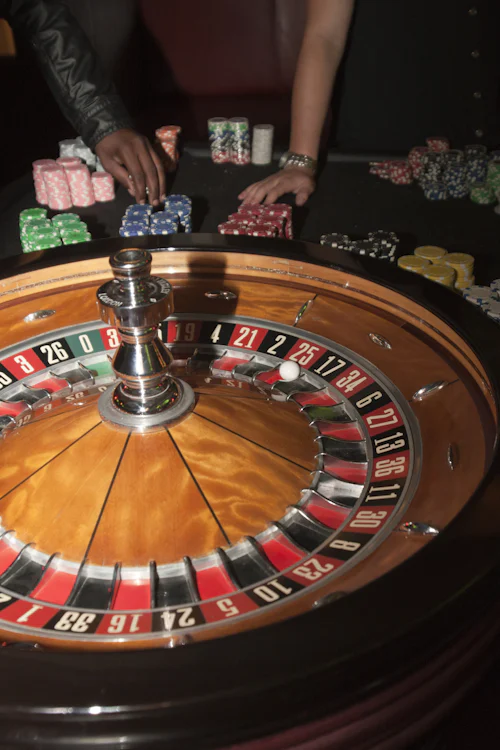
Luck can also influence the atmosphere in social gaming settings. A player hitting a jackpot or experiencing a winning streak can uplift not just themselves but also those around them, generating cheers and excitement that permeate the environment. This shared enthusiasm can create lasting memories and connections between players, underlining how luck shapes social dynamics within gambling spaces. Conversely, moments of bad luck can lead to commiseration, further strengthening bonds among players facing similar experiences.
Moreover, gambling events, tournaments, or social gatherings often spotlight luck as a critical theme. Players come together to celebrate victories or console each other in defeat, highlighting the unpredictable nature of luck in a communal setting. This social approach to gambling fosters a shared appreciation for luck and its role in determining outcomes, reinforcing the idea that while luck is inherently personal, it also has the power to unite individuals through shared experiences and narratives.
Embracing Luck: Responsible Gambling and Enjoyment
Understanding the importance of luck in gambling also opens the door to responsible gaming practices. Emphasizing that luck is a factor beyond one’s control can help players maintain a healthier perspective toward gambling. By recognizing the fundamental role of luck, players can avoid developing unrealistic expectations about winning and instead focus on the entertainment value of gambling. This mindset can lead to more enjoyable experiences and reduce the potential for harmful behaviors associated with chasing losses or extending play out of frustration.
Moreover, embracing the element of luck can encourage gamblers to approach their gaming sessions with a sense of fun rather than desperation. Recognizing that wins and losses are part of the game can promote a more balanced attitude, creating a more positive experience overall. This perspective allows players to celebrate their luck when it favors them while accepting losses as an expected part of the gambling equation.
In conclusion, by understanding and appreciating the role of luck in gambling, players can navigate their experiences more thoughtfully. This balance is essential for fostering a sustainable and enjoyable relationship with gambling, one that prioritizes fun and social interaction over the desire for financial gain. Whether playing alone or with friends, acknowledging luck’s presence can enhance the overall enjoyment of the gambling experience.